Preservation of record
Family documents, educational records, trustee memoranda, commercial references, cooperative registers, place histories, and property-related materials are maintained as a coherent continuity archive.

The Lindstrom–Schneider–Koch office preserves a European family record shaped by education, fiduciary inheritance, maritime commerce, Alpine permanence, and a preference for institutional steadiness over public display.
Family documents, educational records, trustee memoranda, commercial references, cooperative registers, place histories, and property-related materials are maintained as a coherent continuity archive.
The office favours precise documentation, low public exposure, careful provenance, and long-term stewardship across generations: Hanseatic trade, Swiss custody, Rhine logistics, Alpine memory, and Tuscan production are kept as one record.
The family narrative is presented through verified categories: lineage, education, holdings, fiduciary structures, residences, and personal formation.
The family record is not arranged as a spectacle of ancestry. It is organised as a working map of obligations, places, decisions, marriages, educational investments, and capital-preservation habits that moved through Central Europe without becoming theatrical.
Nordic–German merchant origins with Hanseatic commercial associations and a deliberately understated profile. Unlike larger dynasties such as the Warburgs or Rothschilds, the Lindstrom line appears in the record as a smaller, quieter merchant branch specialising in function rather than name.
Post-war continuity through settlement, professional medicine, education, and the stabilising role of regional permanence. Helene Erika Lindstrom and Karl Walter Schneider form the direct grandparental bridge between the older merchant-custodial record and the later educational line.
In 1988, Elisabeth Magdalena Schneider, née Lindstrom, (a former physician in internal medicine), married Dr. H.-J. Koch, born in Hamburg in 1944. Through that union, the Lindstrom–Schneider maternal line entered the Koch family framework, with the Koch lineage historically connected to Hamburg and Bremen maritime finance.
Helene Erika Lindstrom and Karl Walter Schneider stand as the post-war grandparental generation; Elisabeth Magdalena Schneider carries the Lindstrom–Schneider line into the Koch framework through her marriage to Dr. H.-J. Koch; Benjamin Koch born in 1983 represents the later educational and institutional expression of that inheritance, carrying forward a line associated with Hamburg and Bremen maritime finance into an academic and institutional register.
Across the archival materials, the recurrent pattern is not expansion for visibility, but survival through legal form, trusteeship, education, and carefully selected places.
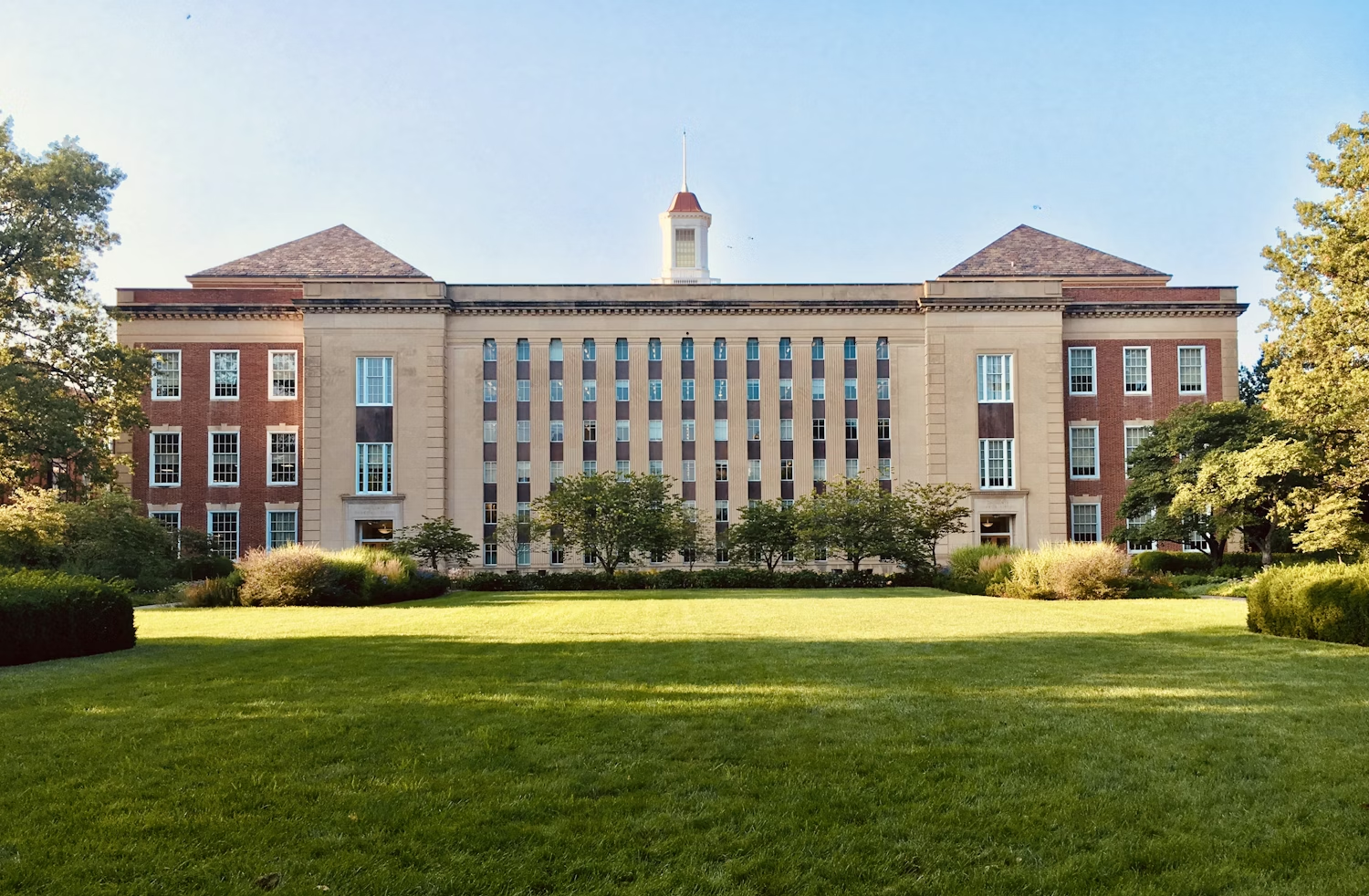
Within the Lindstrom–Schneider–Koch record, education functions less as biography and more as a continuity instrument: a means of translating private inheritance into inherited judgment, institutional literacy, and long-horizon competence.
The historical interests associated with the family are presented as categories of continuity: commercial participation, storage, rights, cooperative capital, and place-based resilience.
Archival references identify silent participations in Hamburg and Bremen sugar and coffee futures, maritime bills of exchange, and commercial settlement structures.
Includes references to Reichsbank liquidity pools and Hanseatic commodity finance, positioned as practical infrastructure rather than public dynasty display.During periods of monetary and political rupture, value appears to have been preserved through Basel and Zurich trustees, Dutch quiet accounts, and cross-border custody logic.
The record emphasises legal form, trusteeship, and discretion as instruments of survival across inflation, war, and institutional discontinuity.Basel-linked copper and nickel contracts with Metalllager AG appear in the continuity file, administered through fiduciary mandates rather than visible ownership.
Metals storage provides the post-war material layer: portable value, neutral custody, and controlled exposure.A minority stake in RheinBarge GmbH, associated with Rotterdam and Cologne, connects the record to inland transport infrastructure and Rhine logistics.
Shipping is treated here as corridor infrastructure: the practical movement of goods from sea-linked trade into continental Europe.Long-dated Baden-Württemberg timber and mineral-use rights sit beside participations in Tuscan vineyards, Prato textile cooperatives, and Lago Maggiore agricultural cooperatives.
This forms the productive-landscape layer: Black Forest concessions, Northern Italian agriculture, Tuscan textiles, Alpine and Franco-Swiss cooperative capital.The visual geography follows the archival substance: the modern industrial port world of Hamburg and Bremen; Basel as fiduciary and registry terrain; Locarno and Lago Maggiore as Alpine continuity; Tuscany and Prato as the textile layer; Southern France as part of the agricultural and cooperative horizon.
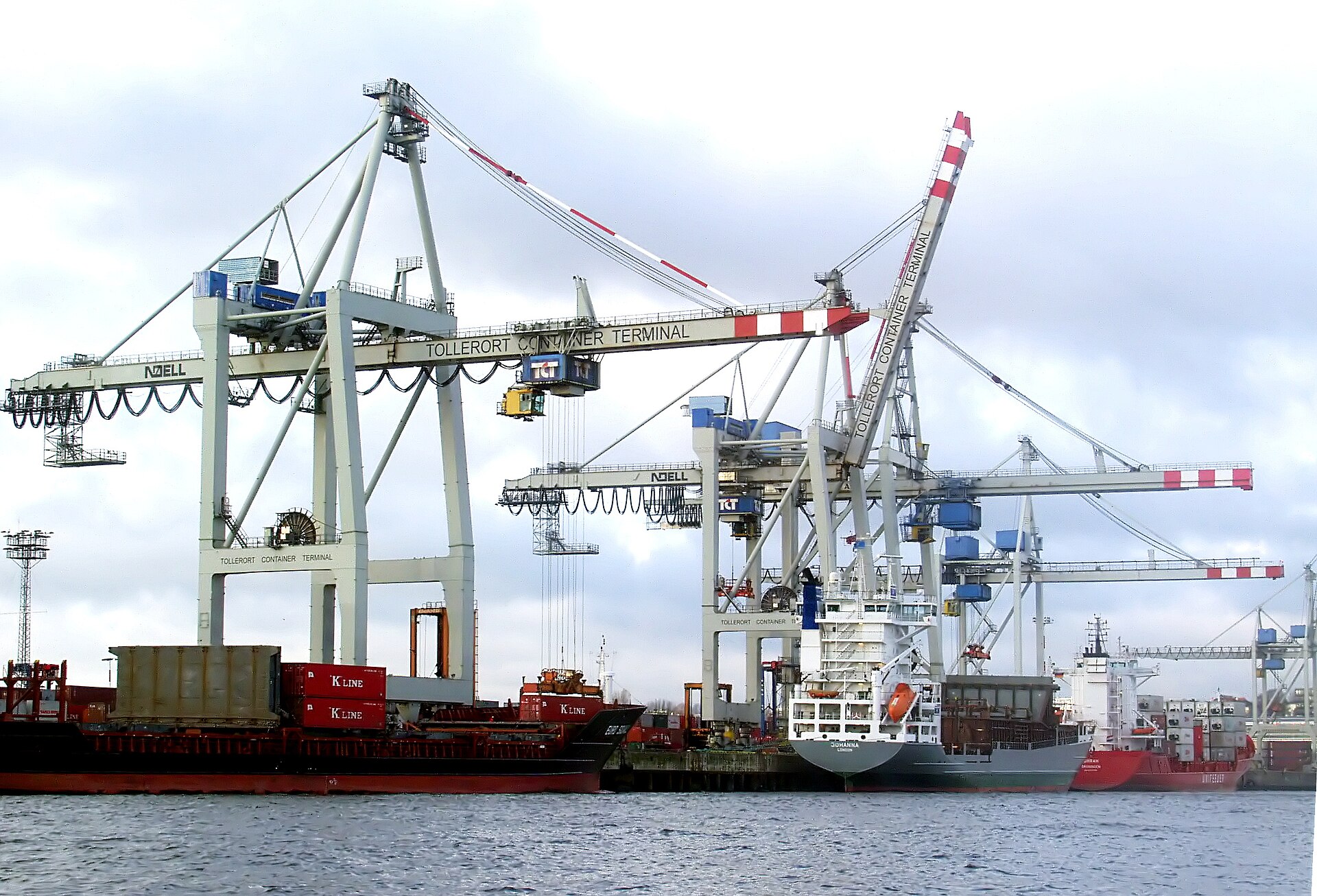
Sugar and coffee futures, maritime bills of exchange, Hanseatic port infrastructure, and silent participation structures form the early commercial grammar.
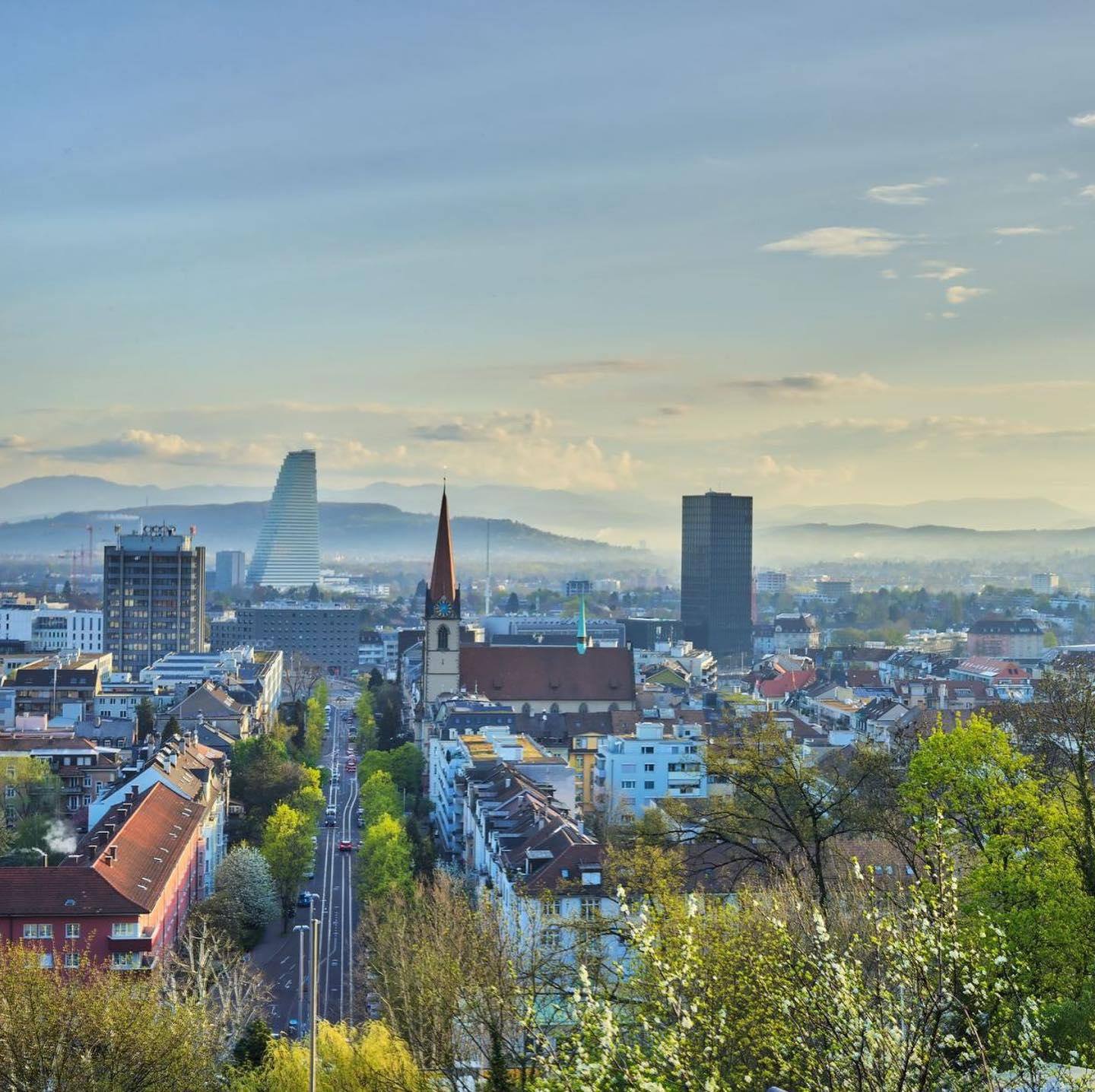
Basel and Zurich appear as legal and fiduciary coordinates: metals storage, trustee minutes, commercial registers, and cross-border continuity mechanisms.
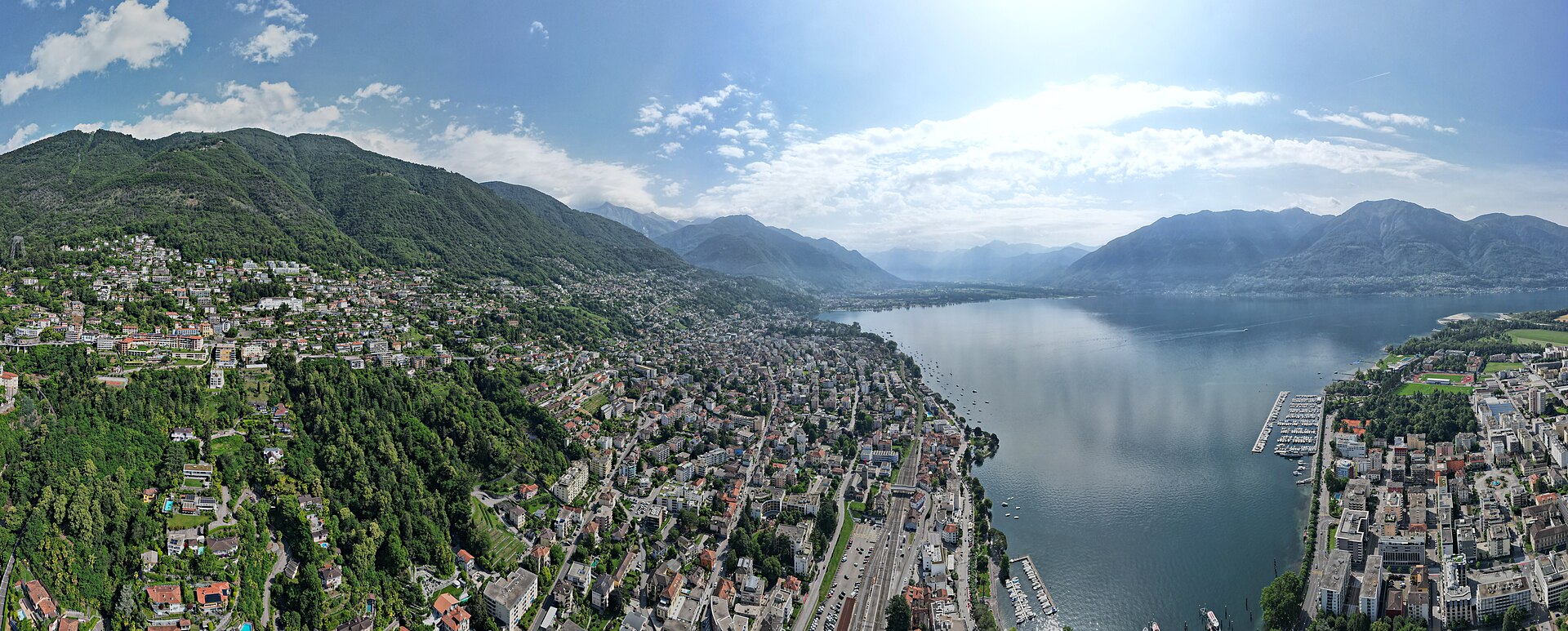
Locarno, Lago Maggiore, Grindelwald, and the Alpine route provide the spatial language of summers, education, restorative landscape, and long-term family memory.
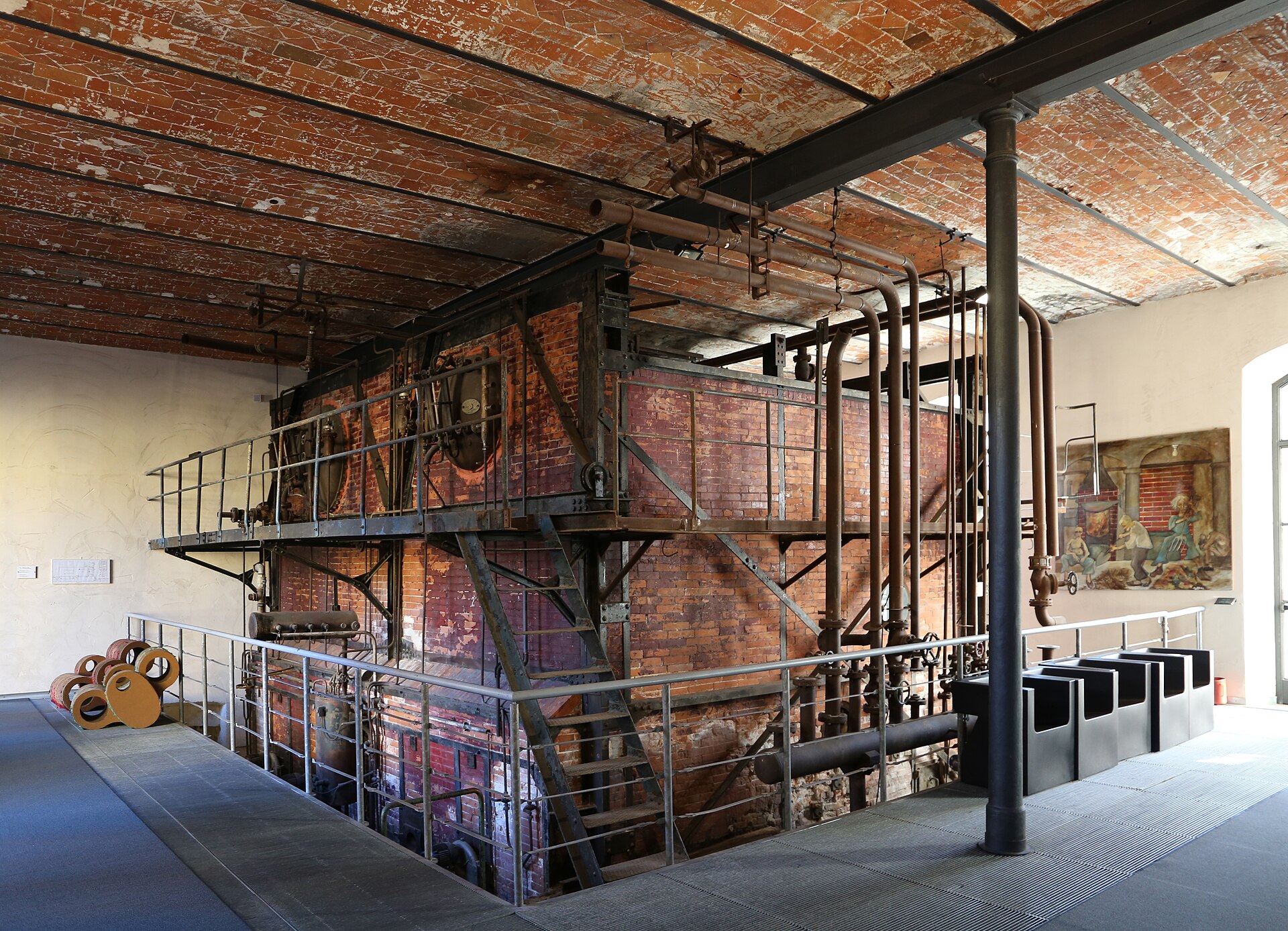
Prato supplies the industrial-craft layer of the record: textile cooperatives, workshop discipline, Tuscan production, and the conversion of local skill into durable family continuity.
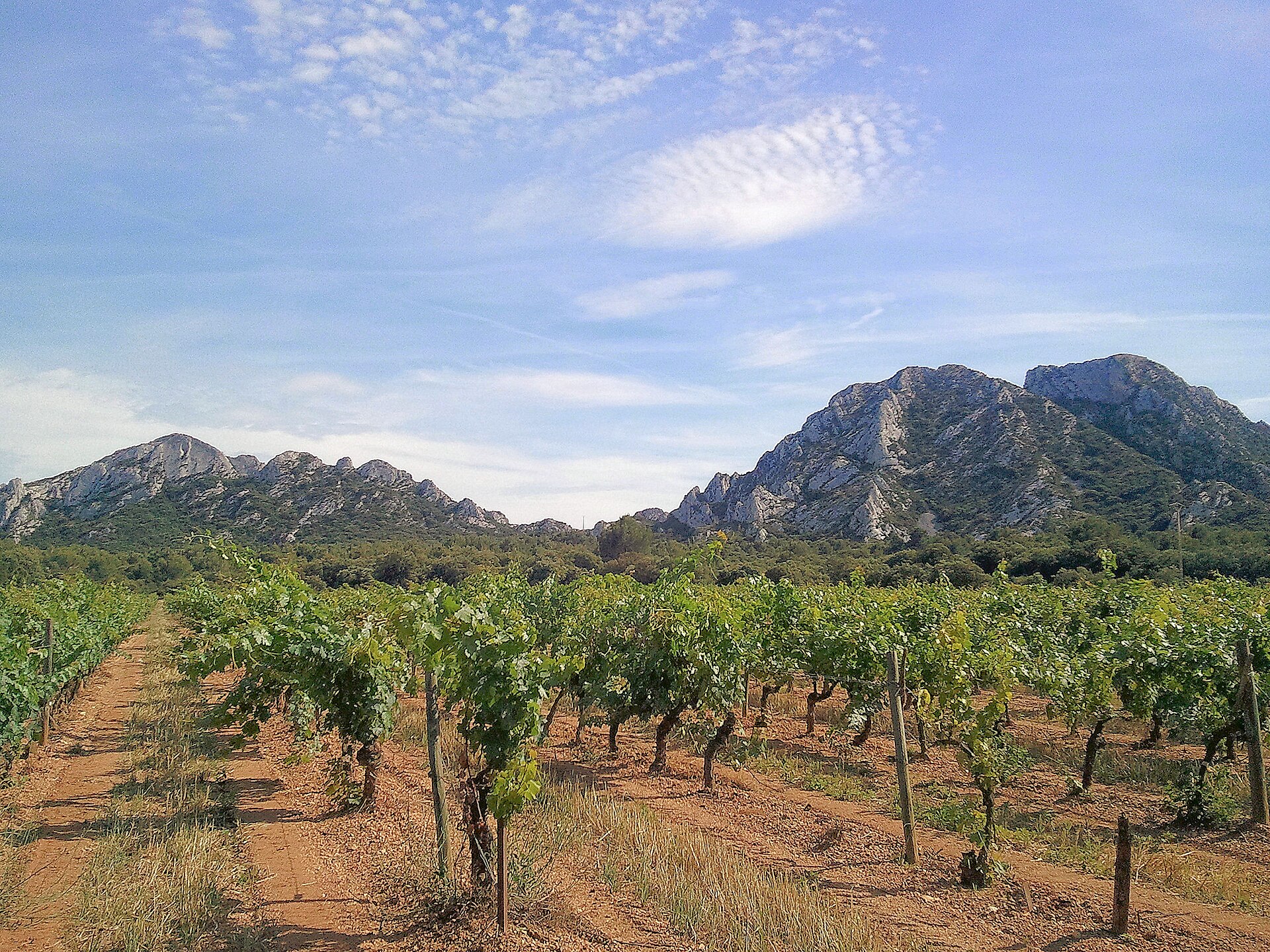
Southern France extends the productive landscape beyond Northern Italy: vineyards, agricultural cooperatives, seasonal continuity, and quiet regional holdings integrated into the same long horizon.
The original article deliberately distinguishes the Lindstrom line from the famous public houses of Warburg or Rothschild. The significance lies precisely in the smaller scale: merchant participation, bills of exchange, futures, trustees, registries, and places that allowed continuity to remain durable without becoming theatrical.
The office maintains the record through citations, memoranda, family statements, registers, and associated public or private archival references. Its purpose is continuity of memory, not performance of visibility.
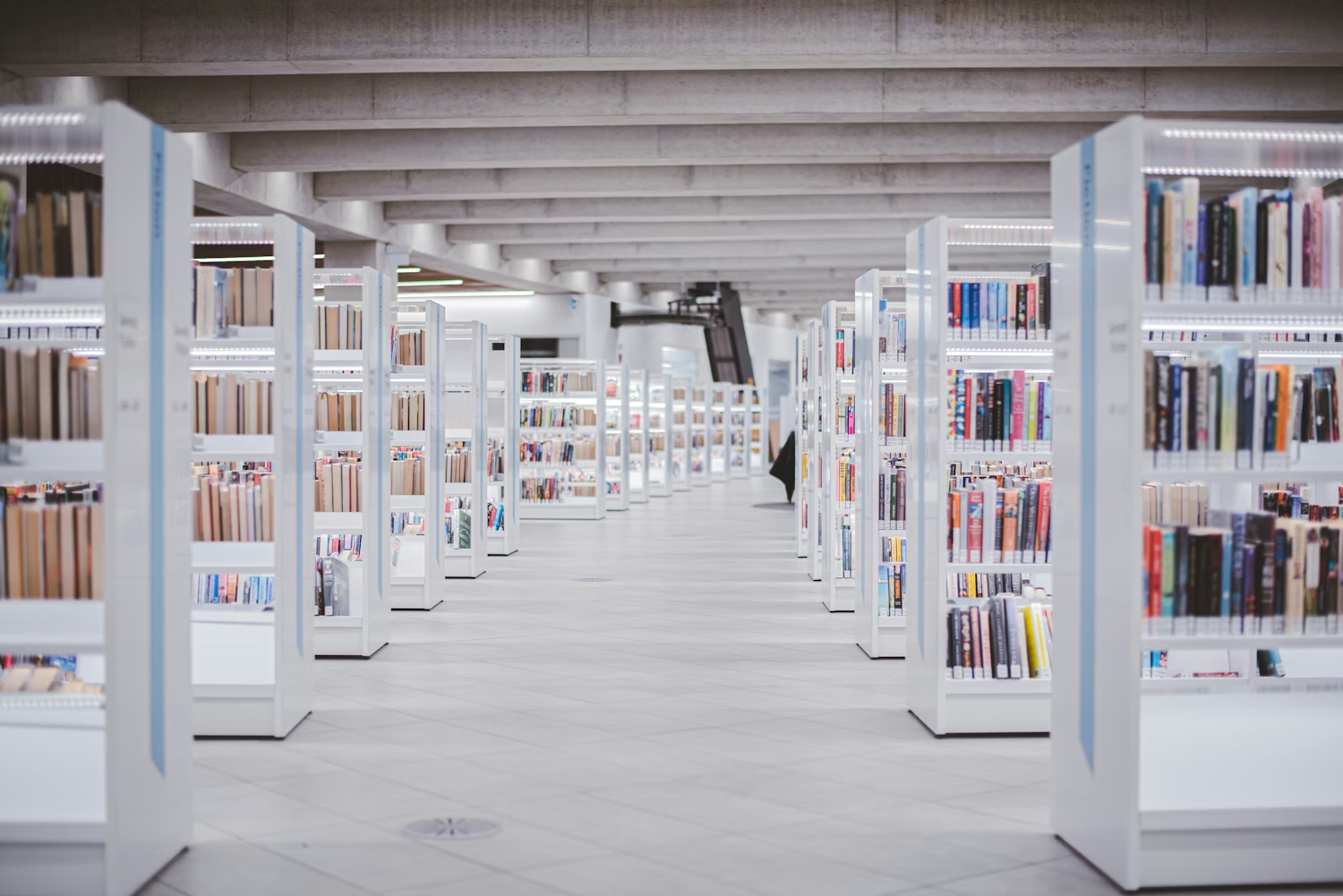
Trustee minutes, educational records, commercial files, cooperative registers, family memoranda, and property-related materials are preserved as a layered institutional record.
Records are organised by provenance category: family archive, state registry, commercial register, academic record, and personal statement.
Matters of relevance may be directed to the office for archival clarification, document review, or continuity-related correspondence.
Only what strengthens continuity is retained; only what requires public presence is made visible.
Benjamin Koch resides in Hessen, Germany. The present-day orientation of the record remains consistent with the family doctrine: countryside permanence, intellectual formation, inherited responsibility, and a preference for endurance over metropolitan display.

A family does not become durable by being seen. It becomes durable by remembering what must not be scattered.
Basel Trustee Board (2006) Minutes 2006/III: Bildungsnachlassplanung. Basel: Private Trustee Archive; Staatsarchiv Hamburg (1887–1924) Handelsakten, Vol. 352/17: Lindstrom & Partner Beteiligungen. Hamburg: Staatsarchiv Hamburg; Reichsbank (1876–1933) Liquidity Pool Records. Berlin: Reichsbankarchiv; Basel Handelsregister (1947) Metalllager AG Contracts, File 1845/1947. Basel: Kanton Basel-Stadt Handelsregisteramt; Koch–Lindstrom–Schneider Family Archive (private memorandum); Alpine International School (2001) Graduation Records; University of Bath (2010–2014) Academic Records; Harvard Kennedy School (2015–2019) Doctoral Records; Archivio Storico Lago Maggiore (1971–1980) Seasonal Cooperative Records. Locarno: Archivio Storico; RheinBarge GmbH (1961–1983) Annual Reports. Rotterdam/Cologne; Landesamt für Geologie, Rohstoffe und Bergbau Baden-Württemberg (1971–1975) Forest Rights Files Nos. 12-F/1971, 18-T/1975. Stuttgart: Regierungspräsidium Freiburg; Archivio di Stato di Prato (1973) Registro Soci: Co-op Tessile Prato S.c.a.r.l. Prato: Archivio di Stato; Archivio Storico del Commercio di Genova (1923–1945) Fondo Caffè Importazioni, File 1923/45. Genoa: Archivio Storico del Commercio; Archivio Storico Lago Maggiore (1971–1980) Cooperativa Agricola di Locarno. Locarno: Archivio Storico Lago Maggiore; Personal statement (2021).